$99 Limited Emergencies Exam*
*For uninsured new patients only
Why Your Root Canal Isn’t Complete Without a Crown

Many patients leave their Root Canal Richmond appointment feeling relieved — the pain is gone and the tooth is saved. But here is something important to understand: the procedure is not truly finished yet. Why your root canal isn’t complete without a crown in Richmond is a question Dr. Naveen Chennupati answers regularly at Patterson Dental Arts. A crown is the final, essential step that protects your investment and your smile.
What Happens to a Tooth After Root Canal Treatment
During a root canal, the infected pulp inside your tooth is removed. The canals are cleaned, shaped, and sealed with a filling material. This process eliminates the infection and stops the pain effectively.
However, removing the pulp changes your tooth significantly. The tooth loses its internal moisture source. Over time, it becomes more brittle and more vulnerable to cracking under biting pressure.
Back teeth like molars and premolars bear the heaviest chewing forces in your mouth. A tooth weakened by root canal treatment — and left without a crown — is at serious risk of fracture. That fracture could cost you the tooth entirely.
Why a Crown Is the Necessary Next Step in Richmond
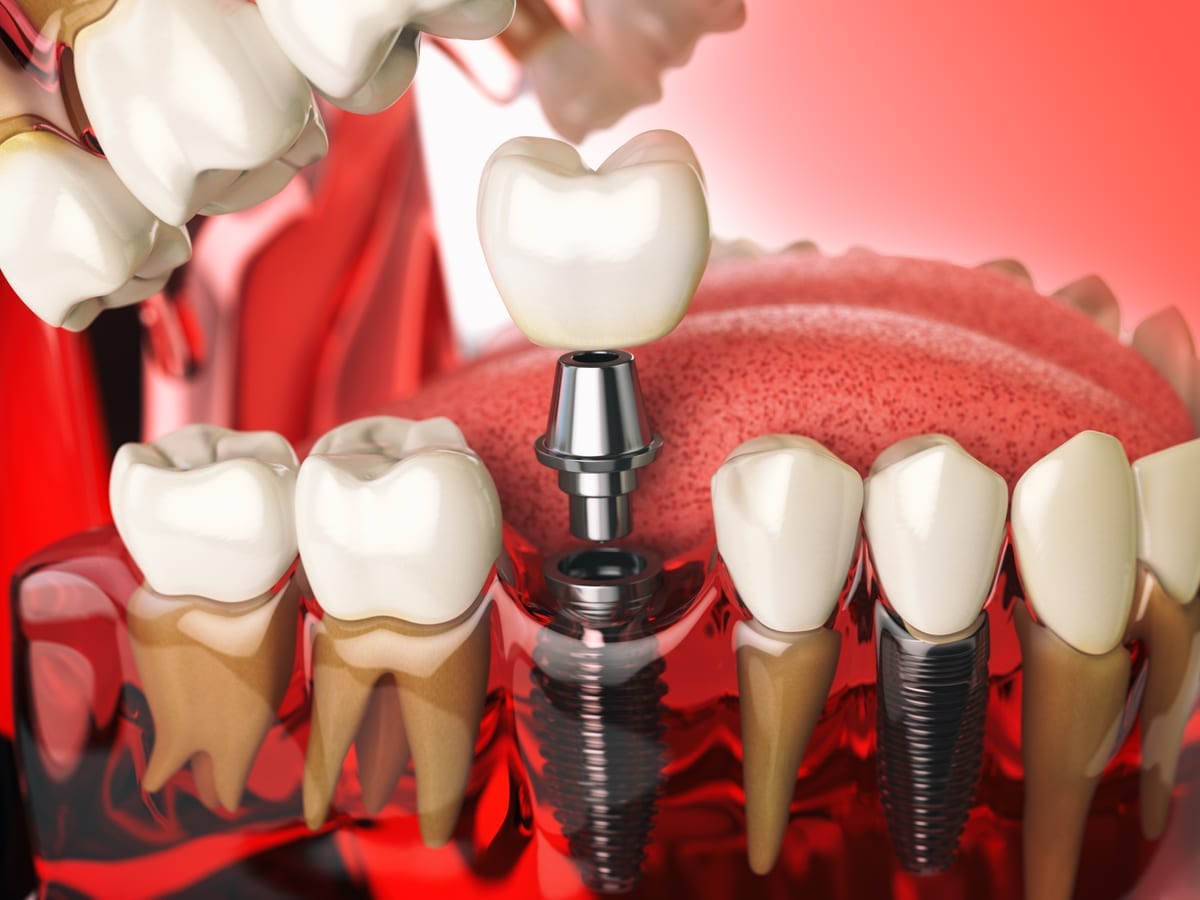
A dental crown fits over your entire tooth like a protective cap. It restores the tooth’s strength, shape, and function after treatment. At Patterson Dental Arts, Dr. Chennupati custom-designs every crown to match your natural bite and smile.
The crown acts as armor for a tooth that can no longer protect itself. It holds the tooth together so it can withstand daily chewing forces without splitting. Think of it as the final layer that makes your root canal treatment whole.
This is why understanding why your root canal isn’t complete without a crown in Richmond matters so much. Skipping the crown is not just a cosmetic concern — it is a structural and health concern. A cracked root-canal-treated tooth often cannot be saved and must be extracted.
Patients who complete both steps — root canal and crown — enjoy excellent long-term outcomes. The tooth can function normally for many years with proper care. Patients who skip the crown frequently return with a broken or failed tooth.
What Happens If You Skip the Crown
Some patients delay the crown appointment due to time or budget concerns. Unfortunately, this delay comes with real risks. Here is what can happen when a root-canal-treated tooth goes uncrowned:
- Tooth fracture: The weakened tooth can crack or split under normal chewing pressure.
- Recontamination: The temporary filling used after a root canal can leak over time, allowing bacteria back in.
- Tooth loss: A severely fractured tooth often cannot be restored and must be extracted.
- Bite problems: A lost or damaged tooth can shift surrounding teeth and affect your overall bite alignment.
- Additional cost: Replacing a lost tooth with an implant or bridge is typically more involved than simply placing a crown.
Delaying also puts stress on neighboring teeth. They begin to compensate for the weakened tooth, which increases wear on them over time. Acting promptly after your root canal is always the smarter path.
What the Crown Appointment Involves at Patterson Dental Arts
Understanding the crown process can ease any anxiety you may have. Dr. Chennupati and the Patterson Dental Arts team make every step comfortable and straightforward. Here is what to expect during your crown appointment:
- Tooth preparation: A small amount of enamel is gently shaped to make room for the crown.
- Impressions or digital scans: Precise measurements are taken to ensure a perfect fit.
- Temporary crown placement: A temporary crown protects your tooth while your permanent crown is crafted.
- Crown placement: Your custom crown is bonded securely at your follow-up visit.
- Bite check and adjustments: Dr. Chennupati checks your bite carefully and makes any needed refinements.
Most patients find the crown appointment straightforward and comfortable. Local anesthesia ensures you feel no discomfort during preparation. The entire process typically requires just two visits to complete.
Modern crowns are made from durable, tooth-colored materials that blend beautifully with your natural teeth. You leave with a restored tooth that looks, feels, and functions like the real thing.
How Restorative Dentistry in Richmond Protects Your Smile Long-Term
Root canal treatment and crown placement are both core parts of Restorative Dentistry Richmond patients rely on at Patterson Dental Arts. Restorative care focuses on saving your natural teeth whenever possible. Dr. Chennupati believes preserving your own tooth is almost always better than replacing it.
When you complete your root canal with a crown, you are making a long-term investment in your oral health. A properly crowned tooth can last a decade or more with routine care. Regular checkups and good home hygiene keep your crown and surrounding teeth healthy.
Patterson Dental Arts serves patients across Richmond, VA with comprehensive dental care in a warm, welcoming environment. Whether you need a root canal, a crown, or both, Dr. Chennupati is here to guide you every step of the way. The goal is always to protect your smile and your overall well-being.
Conclusion: Complete Your Root Canal the Right Way
A root canal alone only solves part of the problem. The crown completes your treatment and gives your tooth the protection it needs to last. Skipping this final step puts everything you have invested — in time, comfort, and dental health — at unnecessary risk.
Dr. Naveen Chennupati and the Patterson Dental Arts team in Richmond, VA are ready to help you finish your treatment properly. Do not leave your root canal unfinished. Book Now to schedule your appointment with our team.
Frequently Asked Questions
How soon after a root canal should I get a crown?
Most dentists recommend getting your crown within a few weeks of completing your root canal. The temporary filling used after the procedure is not meant to last long-term. Prompt crown placement protects the tooth from fracture and recontamination.
Will my crown look natural?
Yes. At Patterson Dental Arts, Dr. Chennupati uses tooth-colored crown materials that closely match the shade and shape of your natural teeth. Most people cannot tell the difference between a crown and a natural tooth.
Is the crown placement procedure painful?
No. Local anesthesia is used during tooth preparation, so you should feel comfortable throughout the appointment. Some mild sensitivity after the appointment is normal and typically fades within a day or two.
Can all teeth that have had a root canal get a crown?
Most teeth treated with root canals are good candidates for a crown. In some cases, such as front teeth that bear less chewing pressure, a crown may not always be required. Dr. Chennupati will evaluate your specific tooth and recommend the best restoration for your situation.
What happens if my crowned tooth eventually fails?
If a crowned, root-canal-treated tooth ever fails, there are several restorative options available. Dental implants and dental bridges are both effective ways to replace a lost tooth. Dr. Chennupati will discuss all available options with you and help you choose the best path forward.