$99 Limited Emergencies Exam*
*For uninsured new patients only
Are You Really a Candidate for Dental Implants?
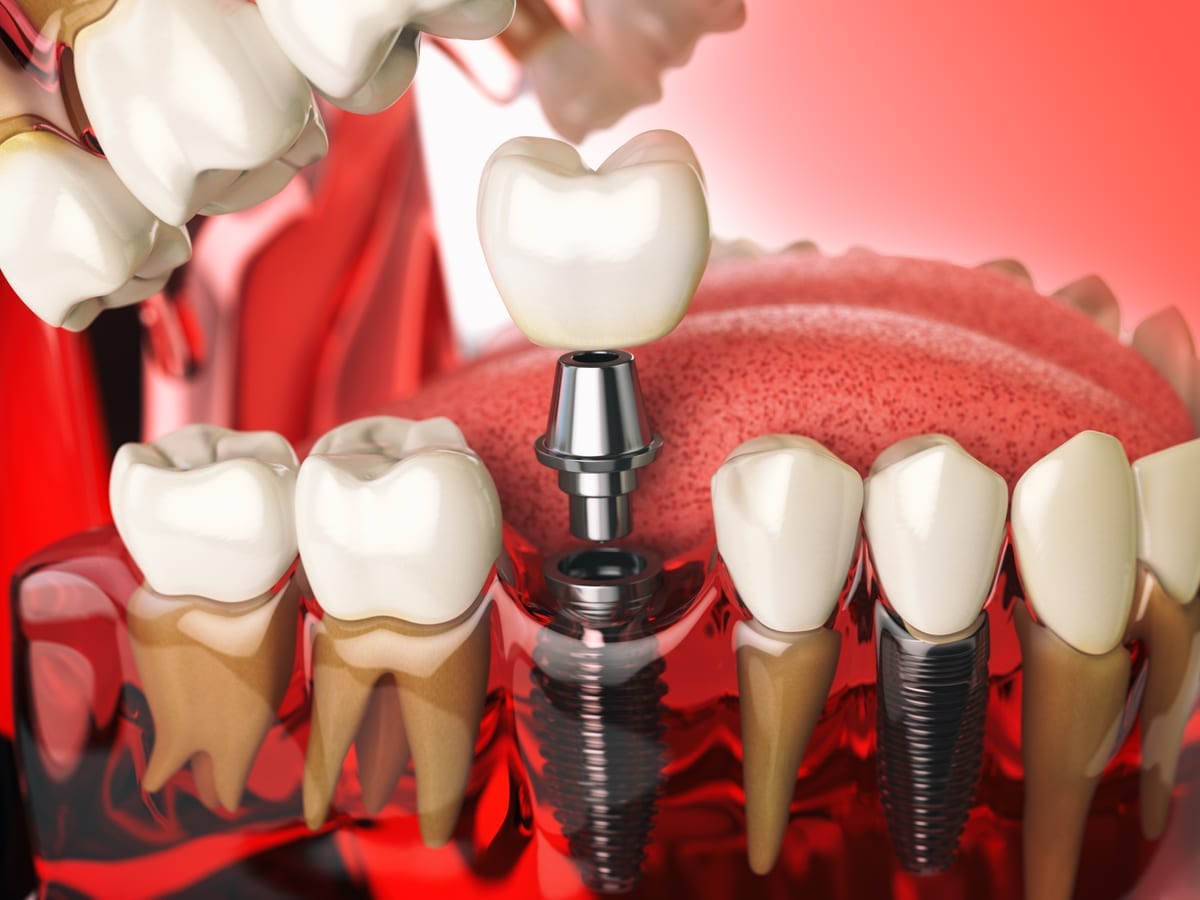
Many Richmond patients ask the same question before their first consultation: are you really a candidate for dental implants in Richmond? It is a fair question. Implants are a significant commitment, and not everyone qualifies right away. The good news is that most healthy adults can become strong candidates with the right preparation. Dr. Naveen Chennupati at Patterson Dental Arts helps Richmond patients understand exactly where they stand.
What Makes Someone a Good Candidate for Dental Implants?
A dental implant replaces a missing tooth root with a small titanium post. That post fuses with your jawbone over several months. For this process to succeed, your body needs to support that fusion reliably.
The most important factors Dr. Chennupati evaluates include:
- Sufficient jawbone density to anchor the implant securely
- Healthy gum tissue free from active periodontal disease
- Overall good general health to support healing
- A fully developed jaw — typically age 18 or older
- Commitment to consistent oral hygiene habits
Most adults who are missing one or more teeth meet several of these criteria already. A thorough exam at Patterson Dental Arts will reveal the full picture for your specific situation.
Does Age Affect Implant Candidacy in Richmond?
Age is a common concern for Richmond patients considering implants. The short answer is that older adults can absolutely receive dental implants. There is no upper age limit for the procedure.
What matters far more than age is overall health. A healthy 70-year-old often heals just as well as a 40-year-old. Bone density and gum health are the real deciding factors, not the number of birthdays you have had.
Younger patients face a different issue. The jawbone must be fully developed before placing an implant. That usually means waiting until age 18 for most patients. Placing an implant too early risks misalignment as the jaw continues to grow.
How Bone Density Impacts Your Candidacy for Dental Implants
Bone density is the single most discussed factor in implant candidacy. When a tooth is lost, the surrounding jawbone begins to shrink over time. This process is called bone resorption, and it can happen faster than most people expect.
If you have been missing a tooth for several years, you may have less bone than needed. However, this does not automatically disqualify you. Bone grafting procedures can rebuild the area before implant placement. Dr. Chennupati will use 3D imaging to measure your bone volume precisely during your evaluation.
Patients who pursue Restorative Dentistry Richmond solutions early tend to preserve more bone. Acting sooner rather than later gives you the best chance at straightforward implant placement without additional procedures.
Health Conditions and Habits That Affect Implant Success
Certain medical conditions can affect whether dental implants will integrate properly. This does not mean you cannot get implants — it means your care plan needs extra attention.
Conditions that require careful evaluation include:
- Diabetes: Uncontrolled blood sugar slows healing and raises infection risk. Well-managed diabetes typically does not prevent implant success.
- Osteoporosis: Some medications used to treat osteoporosis can affect bone healing. A conversation with your physician and Dr. Chennupati is essential.
- Autoimmune disorders: These can interfere with the body’s ability to fuse the implant to bone.
- Heart conditions: Certain medications or surgical risks may require clearance from your cardiologist first.
Smoking is one of the most significant lifestyle factors that affects implant candidacy. Smokers face a much higher rate of implant failure. Tobacco reduces blood flow to the gums and slows the healing process significantly. Quitting smoking — even temporarily around the procedure — greatly improves your chances of long-term success.
Sometimes a tooth cannot be saved and must be removed before implant planning begins. In those cases, Root Canal Richmond treatment may be explored first to see if the natural tooth can be preserved. Dr. Chennupati always looks for conservative options before recommending extraction.
What Happens If You Are Not Quite Ready for Implants?
Not every patient walks into Patterson Dental Arts ready for immediate implant placement. That is completely normal. Several preparatory steps can get you to candidacy safely.
Common preparatory treatments include:
- Periodontal therapy to resolve gum disease
- Bone grafting to restore lost jaw volume
- Sinus lifts for upper jaw implants in cases of bone loss
- Tooth extraction followed by a healing period
These preparatory steps add time to the overall process. However, they also significantly improve the long-term success rate of your implants. Rushing the process without proper preparation leads to higher failure rates and greater costs down the road.
Dr. Chennupati takes a patient-first approach at Patterson Dental Arts. He will never recommend implant placement before your mouth is truly ready. Your safety and long-term outcome are always the priority.
Why Choose Patterson Dental Arts for Your Implant Evaluation in Richmond?
Richmond patients have many dental options. Patterson Dental Arts stands out because Dr. Chennupati combines advanced diagnostics with genuinely personalized care. Every implant consultation starts with a comprehensive exam, detailed imaging, and an honest conversation about your options.
Dr. Chennupati understands that implants are a long-term investment in your quality of life. He takes time to answer your questions without pressure. His goal is to help you make an informed decision — not a rushed one.
If implants are not the right fit right now, the team will walk you through every alternative available. From dental bridges to partial dentures, Patterson Dental Arts offers solutions for every situation and timeline.
Ready to find out where you stand? Book Now to schedule your appointment with our team.
Frequently Asked Questions
Can I get dental implants if I have gum disease?
Active gum disease must be treated before implants can be placed. Placing an implant in infected tissue significantly increases the risk of failure. Once your gum disease is fully resolved and your gums are healthy, Dr. Chennupati can re-evaluate your implant candidacy.
How long does the entire dental implant process take?
The process typically takes between three and nine months from start to finish. The timeline depends on whether preparatory steps like bone grafting are needed. Healing time after the implant post is placed also varies from patient to patient. Dr. Chennupati will give you a realistic timeline during your consultation.
Does smoking permanently disqualify me from getting dental implants?
Smoking significantly increases implant failure risk, but it does not permanently disqualify you. Many smokers who quit — or at minimum stop smoking around the time of their procedure — go on to have successful implants. Dr. Chennupati will discuss the specific risks with you honestly during your evaluation.
What is the minimum bone density required for a dental implant?
There is no single universal number. Dr. Chennupati uses 3D cone beam imaging to assess your specific bone volume and density. If your bone is insufficient, a grafting procedure can rebuild the area. Most patients are surprised to learn that bone grafting is a routine and highly predictable procedure.
Are dental implants at Patterson Dental Arts suitable for seniors in Richmond?
Yes, absolutely. Age alone is not a disqualifying factor for dental implants. Seniors in good general health with adequate bone density are excellent candidates. Dr. Chennupati routinely places implants for older Richmond patients who want a stable, long-lasting tooth replacement solution.